

Salesforce Summer ’26 Release: Features That Actually Matter
A practical breakdown of the Summer ’26 updates impacting Admins, Developers, Architects, and Automation Teams.
Salesforce Summer ’26 is one of those releases that becomes more impressive the deeper you explore it. While there are AI enhancements across the platform, the most meaningful improvements are actually focused on reducing friction across administration, Flow Builder, security management, and deployment reliability.
This release feels heavily focused on enterprise usability – simplifying common pain points that Salesforce teams deal with every day.
Agentic AI: The Evolving Role
One more significant trend in the Summer ’26 Release is the continued focus of Salesforce on the development of AI agents and capabilities that ensure their autonomy.
Here are several examples of how this is taking shape within Salesforce products:
- The Sales Cloud platform is evolving into a platform for Agentforce Sales
- Workflow automation driven by AI is on the rise
- The Einstein AI capabilities are being enhanced
- AI capabilities for service management are growing
- More AI-assisted development tools are emerging
It seems that Salesforce intends to integrate AI capabilities into the daily operations of CRM systems.
Field Access Tab Finally Solves a Major Admin Pain Point
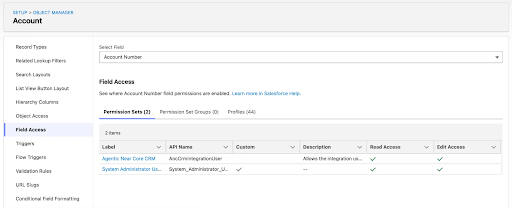
Salesforce has introduced a dedicated Field Access tab directly inside Object Manager. Admins can now review field visibility across Profiles, Permission Sets, and Permission Set Groups from one centralized screen. Previously, teams had to manually compare permissions across multiple areas using exports and spreadsheets.
This becomes especially important as Salesforce continues moving away from profile-centric permission architecture.
Why this matters: This dramatically simplifies audits, security reviews, and troubleshooting.
Editable Shared List Views Quietly Remove Operational Friction:
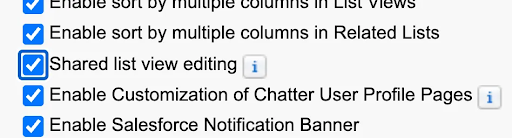
Shared List Views can now be editable by recipient users. Historically, only the original creator could modify a shared list view. This caused unnecessary operational bottlenecks for support teams, sales operations, and queue management.
Why this matters: Teams can now collaboratively maintain shared operational views without relying on admins.
Flow Builder Gets Several Major Usability Improvements
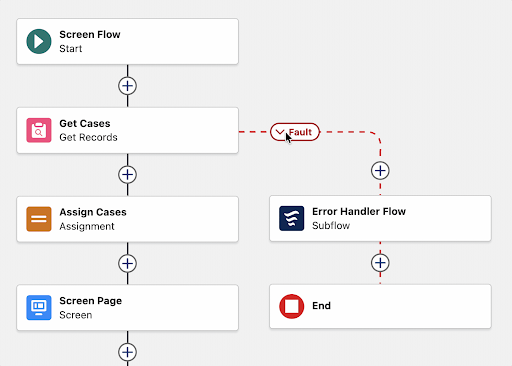
Fault paths in Flow Builder can now be collapsed. Large enterprise flows become significantly easier to read and maintain. Admins can focus on primary business logic while hiding secondary exception-handling branches.
Why this matters: Improves readability and maintainability of enterprise-scale automations.
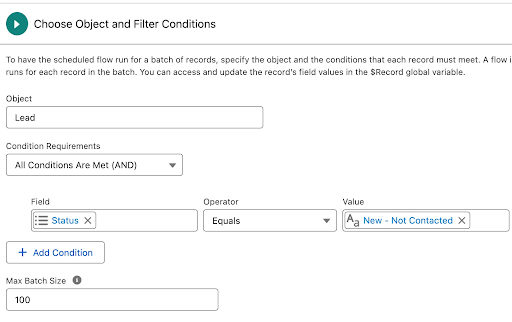
Batch Size Scheduled Flow Configuration Increases Scalability
Scheduled flows are now available to be set up based on batch sizes as opposed to the default batch size of 200. This will assist in avoiding timeouts on CPU and better governor limit utilization. This feature is beneficial especially for processes running integrations and other complex processes.
Importance: Increased automation process control in bulk.
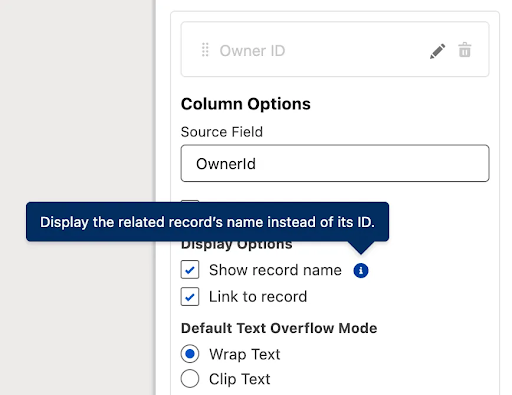
Flow Data Tables Finally Become User Friendly
Flow Data Tables can now display related record names instead of raw Salesforce IDs. Users can optionally navigate directly to related records using clickable names. This removes the need for formula-based URL workarounds.
Why this matters: Creates much cleaner and more intuitive screen-flow experiences.
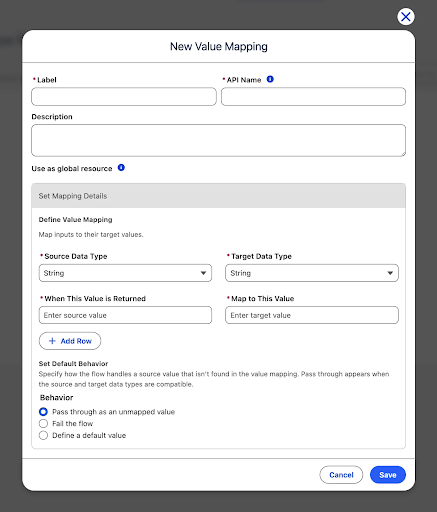
Global Flow Resources Reduce Repetitive Mapping Logic
Reusable Value Mapping resources are now supported in Flow Transform elements. Administrators can create mappings just once and use them in many different automation processes. This ensures uniformity in enterprise integration and transformation processes.
Significance: Minimizes redundancy in configuration processes and enhances manageability.
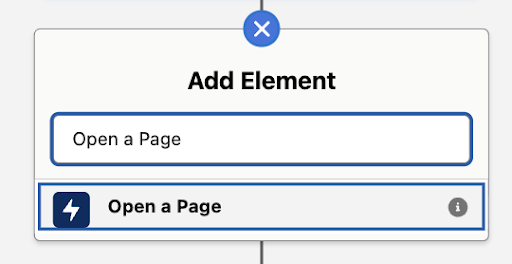
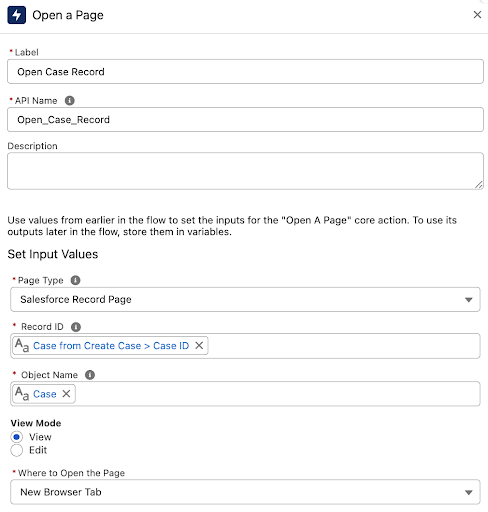
Open a Page Action Removes Years of Navigation Workarounds
Flows can now directly open records, Lightning pages, console tabs, external URLs, and browser windows. This replaces many unsupported redirect workarounds previously used inside Screen Flows. The feature significantly simplifies user navigation experiences.
Why this matters: Reduces dependency on custom LWCs and URL hacks.
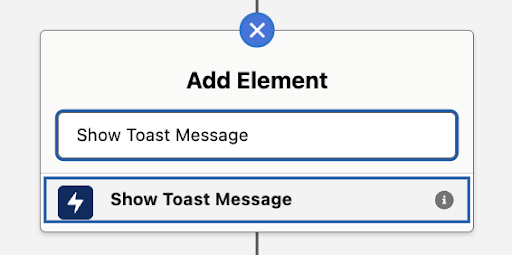
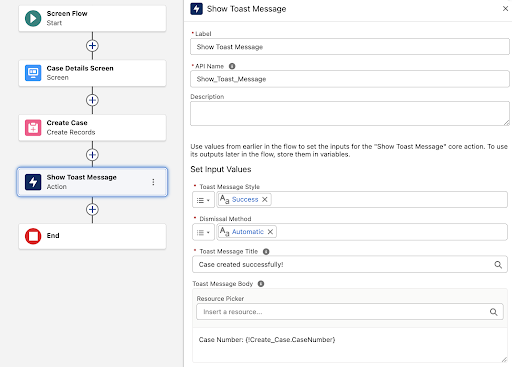
Native Toast Messages Finally Arrive in Flow
Salesforce now supports native toast notifications directly inside Screen Flows. Builders can configure Success, Error, Warning, and Information notifications. Hyperlinks inside toast messages are supported as well.
Why this matters: Creates cleaner, modern user experiences without custom components.
Deployable Email Templates Enhance DevOps Reliability
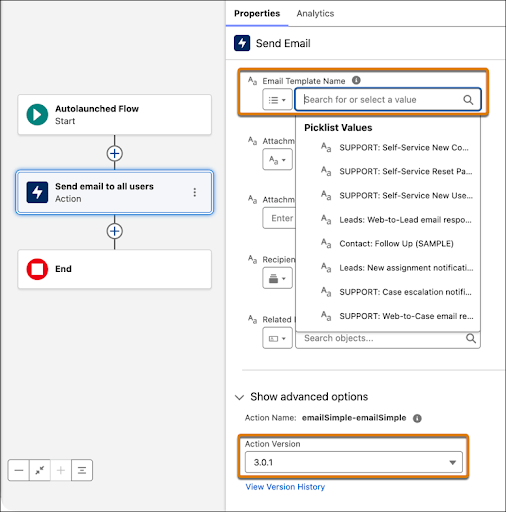
Email Templates in Flow now use persistent references instead of environment-specific IDs. In the past, deployments used to fail due to changing IDs across environments. Summer ’26 significantly enhances Flow deployment portability from sandboxes to production.
What this means: Enhances CI/CD process reliability.
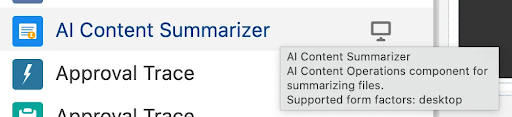
AI Content Summarizer Helps Move AI Closer to CRM
The AI Content Summarizer module can be embedded in Lightning Record Pages. Summaries created by Einstein can be consumed in place without moving to another record page. This is applicable to Accounts, Opportunities, Cases, and custom objects.
Why this is important: Increases efficiency and speeds up information consumption.
What Really Counts?
Despite the Summer ‘26 Release having hundreds of updates, what really matters is the update that will improve day-to-day processes. Here are the most significant updates:
- Integration of Agentforce AI
- Flow Builder usability improvements
- Improved security governance
- AI-driven sales processes
- Service automation
- Mobile productivity enhancement
- Automation management
It seems that Salesforce is no longer interested in AI for show-and-tell, but rather AI to resolve operational issues within actual business processes. This is much more important for enterprise-level users.
Why Should Companies Pay Attention to the Summer ’26 Release?
The Salesforce Summer ’26 Release deserves attention because of its focus on business operations powered by AI and process automation.
While past Salesforce releases concentrated on presenting capabilities that might look impressive in a demonstration, Salesforce has paid special attention to improvements that would allow businesses to streamline their processes and reduce complexity, enhancing security and efficiency along the way.
Also, the Salesforce Summer ’26 release illustrates how deeply AI technologies are integrated into Salesforce solutions as seen in Agentforce, Flow automation, analytics, and customer service.
In other words, the adoption of AI-based Salesforce technologies now can be considered an investment into future success due to increasing automation in the enterprise world.
Conclusion
This is because while the Salesforce Summer ’26 Release emphasizes innovations, the most significant changes revolve around operational maturity. As such, the Salesforce Platform will become more intelligent, automated, and aligned with AI-powered processes in sales, services, analytics, and software development.
For the current users of Salesforce, some of the top highlights include the automation of workflows, enhanced AI governance, administrative improvements, reduced manual work, and enhanced customer experience.
Companies focusing on implementing the most useful and impactful innovations in Salesforce Summer ’26 Release, rather than being preoccupied with the deployment of every possible AI feature, are likely to get more out of the latest Salesforce update.
FAQs
What would you say is the main focus in the Salesforce Summer ’26 Release?
Although some interesting capabilities in terms of AI have been introduced in the summer ’26 release of Salesforce, there are several other key focuses in the release including operations maturity, AI-powered automation, improvements to the flow builder, security, and deployment.
What does Agentic AI mean?
Agentic AI refers to the fact that Salesforce is increasingly focused on introducing AI-enabled agents that are able to automate different processes, provide help, generate insights, and improve CRM experience through sales, services, analytics, and development.
How is the Sales Cloud changing with the Summer ’26 Release?
Sales Cloud is evolving to become Agentforce Sales by incorporating advanced automation, lead nurturing, sales insights, and Einstein AI functions in the daily operations.
Why should businesses care about the Summer ’26 Release?
The reason businesses should care is that the release provides better automation workflows, AI governance, security, efficiency, and customer experiences as well as incorporating AI into CRM.
Which updates are the most significant for the Salesforce Summer ’26 Release?
Some of the significant updates for the Summer ’26 Release include the incorporation of Agentforce AI, enhancements on Flow Builder, better automation management, security governance, sales process, and mobility.
For more insights, updates, and expert tips, follow us on LinkedIn.